
Lizard Point
Explore
Discover Lacock Abbey, a historic National Trust site in Wiltshire. Explore medieval cloisters, the Fox Talbot Museum, and Harry Potter filming locations.
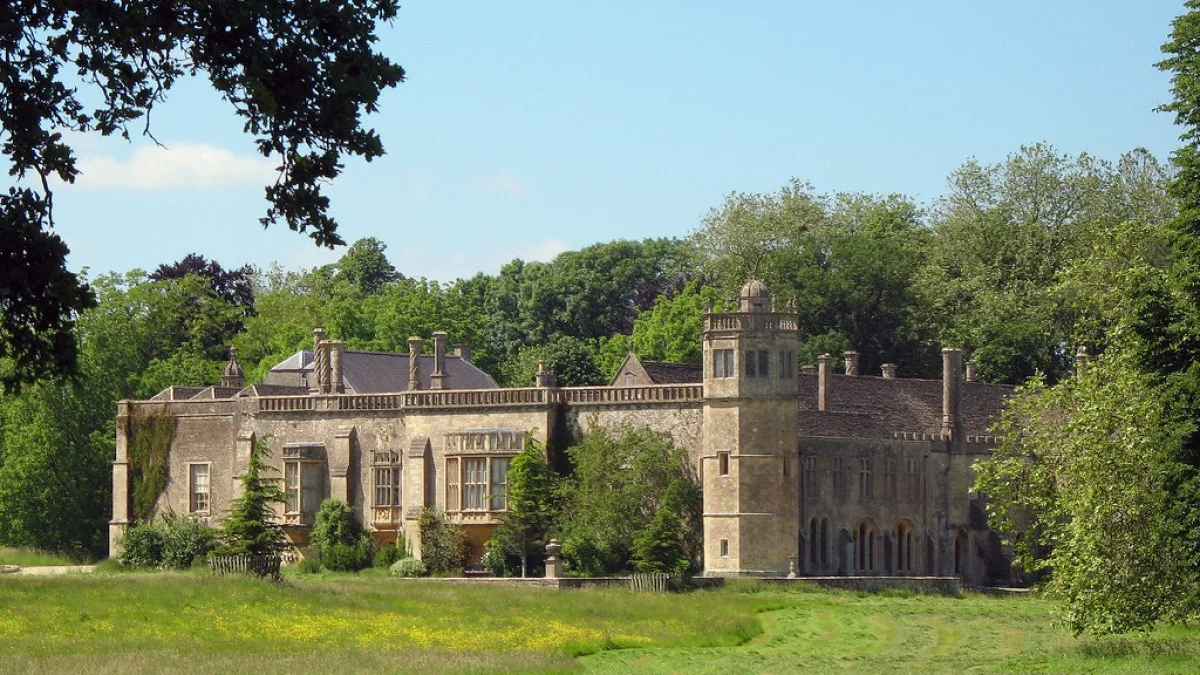
Nestled in the heart of the picturesque village of Lacock, Wiltshire, Lacock Abbey is a National Trust gem that blends medieval charm with a rich history of innovation. Founded in 1232 by Ela, Countess of Salisbury, as an Augustinian nunnery, the abbey’s well-preserved cloisters and monastic rooms offer a glimpse into its spiritual past. After the Dissolution of the Monasteries, it transformed into a quirky country house, home to the Talbot family, including William Henry Fox Talbot, the pioneer of modern photography. Visitors can explore the abbey’s eclectic architecture, from Gothic halls to Tudor elements, while soaking in its serene woodland grounds.
The Fox Talbot Museum, located within the abbey, celebrates Talbot’s groundbreaking photographic achievements, including the world’s first photographic negative, captured in 1835. The abbey’s cinematic allure is undeniable, having served as a filming location for Harry Potter (Hogwarts’ corridors) and Pride and Prejudice. Beyond the abbey, the charming village of Lacock, with its timber-framed cottages and historic tithe barn, feels frozen in time and has appeared in Downton Abbey. Seasonal events, like snowdrop displays in February or summer activity trails, make every visit unique.
For those exploring further, nearby attractions include the prehistoric wonders of Stonehenge, the Roman baths, and Georgian architecture of Bath, and the mystical stone circles of Avebury, all within a short drive. Lacock Abbey’s blend of history, culture, and natural beauty makes it a must-visit for anyone seeking an authentic slice of British heritage.
Step into the atmospheric medieval cloisters, a rare surviving feature of the 13th-century nunnery. These stone corridors, used in Harry Potter as Hogwarts’ hallways, offer a tangible connection to the abbey’s monastic past, with information boards detailing their history.
Dedicated to William Henry Fox Talbot, this museum showcases his pioneering photographic work, including the first photographic negative. Exhibits explore early cameras, chemical processes, and rotating photography displays, making it a must for photography enthusiasts.
The abbey’s Gothic-inspired Great Hall, redesigned by John Ivory Talbot in the 18th century, is a highlight of its architectural evolution. Its intricate ceiling and historic charm captivate visitors, offering a glimpse into the abbey’s transformation into a family home.
The abbey’s tranquil gardens, featuring a rose garden, orchard, and William Henry Fox Talbot’s Botanic Garden, are perfect for a relaxing stroll. Seasonal blooms, like snowdrops in February, and meandering paths through woodland add to the serene experience.
Why not make a weekend of it? Explore Nearby Attractions. Scroll to zoom in or out on map.
Curious about Lacock Abbey? We've compiled answers to the most frequently asked questions to help you uncover the highlights and visitor essentials.
Lacock Abbey is renowned for its medieval monastic roots, its role as the birthplace of modern photography through William Henry Fox Talbot, and as a filming location for Harry Potter and Pride and Prejudice.
Founded in 1232 by Ela, Countess of Salisbury, as an Augustinian nunnery, Lacock Abbey thrived until the Dissolution of the Monasteries in 1539. It was converted into a family home by Sir William Sharington and later became the residence of the Talbot family, including photography pioneer William Henry Fox Talbot. It was gifted to the National Trust in 1944.
Standard adult tickets are around £12, with child tickets at £6.60 and family tickets at £30. National Trust members enjoy free entry. Prices may vary seasonally, so check the National Trust website.
Volunteer guides are often available in the abbey rooms to share insights, but formal guided tours may depend on staff availability. Check the National Trust website for details.
The garden paths are wheelchair-friendly with flat terrain, but the abbey’s interior has limited accessibility due to historic architecture. Contact the site for specific arrangements.
Yes, the village is free to explore, with its historic cottages, shops, and pubs. Parking at Hither Way car park costs £5 for non-National Trust members.
Make your trip unforgettable by exploring these nearby attractions during your visit.
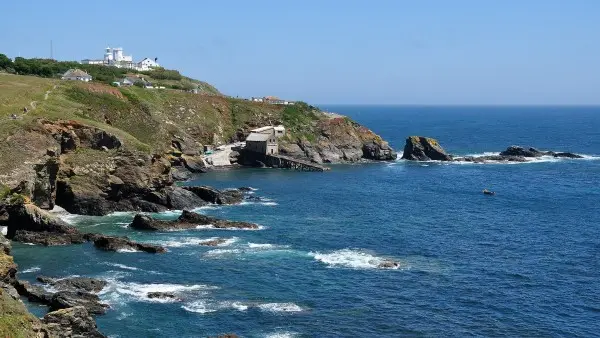 Lizard
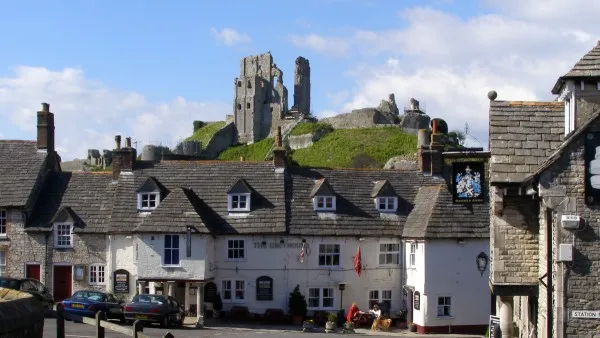 Wareham
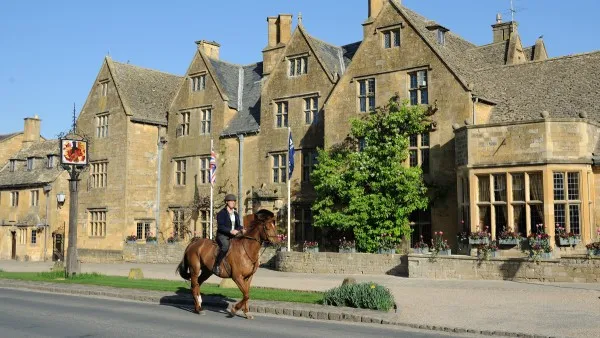 Broadway
 Wareham
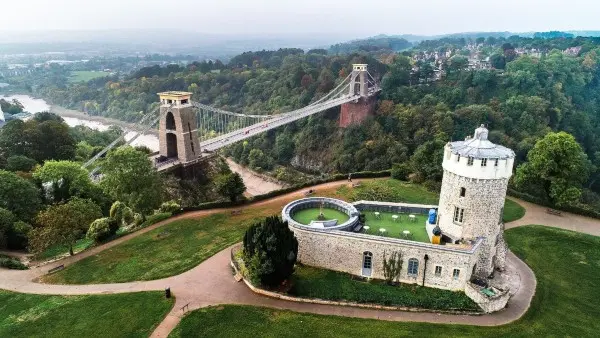 Bristol
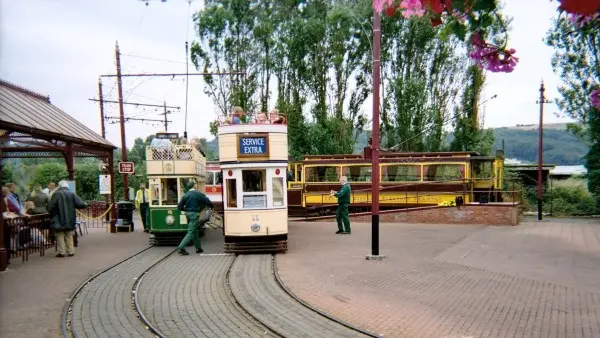 Colyton
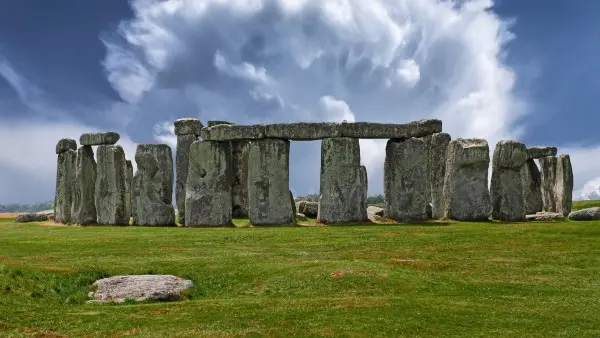 Salisbury
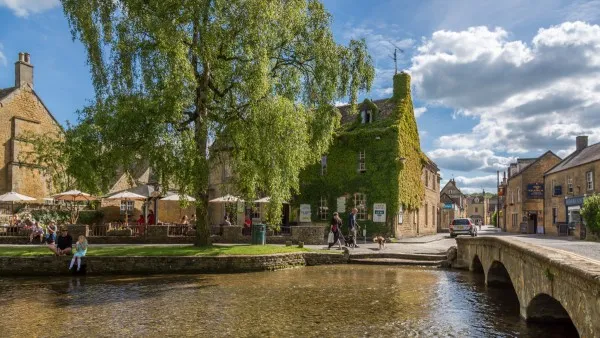 Cheltenham
 Falmouth
 Wareham
 Davidstow
 Sidmouth