
Number 1 Royal Crescent
Explore
Discover Lulworth Cove, a stunning bay on Dorset’s Jurassic Coast. Enjoy coastal walks, fossil hunting, and nearby Durdle Door and Corfe Castle.
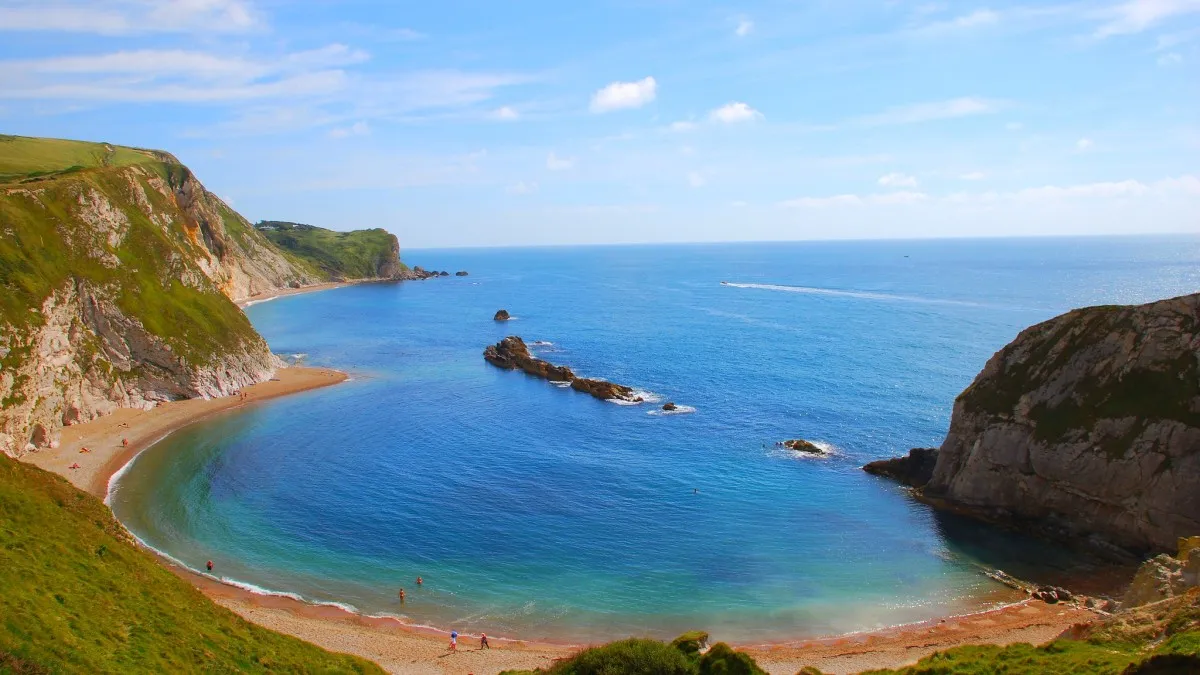
Lulworth Cove, a jewel of Dorset’s Jurassic Coast, is a breathtaking horseshoe-shaped bay carved by millennia of geological forces. Part of a UNESCO World Heritage Site, its calm, turquoise waters and pebble beach, framed by towering cliffs, make it a haven for nature lovers, geologists, and families. Formed 10,000 years ago during the Ice Age, the cove’s near-perfect shape showcases the power of erosion, offering visitors a stunning glimpse into Earth’s ancient past.
The cove is ideal for gentle swims, kayaking, or fossil hunting along the shore, with its geology revealing 185 million years of history. The Lulworth Cove Visitor Centre provides insights into the area’s formation and marine life, while scenic coastal paths lead to dramatic views. The nearby village of West Lulworth offers charming tearooms, pubs, and local ice cream, enhancing the relaxed coastal vibe. Seasonal events, like guided geology walks, add educational fun to visits.
Nearby attractions include Durdle Door, a famous limestone arch just a 20-minute walk away, and the fossil-rich cliffs of Charmouth, a short drive east. Corfe Castle, a medieval ruin, and the historic town of Wareham are within 30 minutes, offering cultural exploration. Lulworth Cove’s blend of natural beauty, geological significance, and proximity to Dorset’s treasures makes it an essential stop on the Jurassic Coast.
Lulworth Cove’s iconic, near-perfect horseshoe shape, framed by limestone cliffs, offers a serene spot for swimming, photography, or simply soaking in the Jurassic Coast’s beauty.
Scenic trails from the cove lead to stunning viewpoints, including the path to Durdle Door. These walks reveal dramatic cliffs and panoramic views of the UNESCO World Heritage Site.
Search for Jurassic fossils like ammonites along the pebble beach at low tide. The cove’s geology, spanning 185 million years, makes it a treasure trove for amateur paleontologists.
This free center offers interactive exhibits on the cove’s formation, marine life, and geological significance. It’s a great starting point for understanding the Jurassic Coast’s history.
The nearby village, with its thatched cottages, cozy pubs, and local ice cream shops, adds charm to the cove experience, perfect for a relaxing post-beach meal.
The cove’s cliffs showcase striking geological layers, from chalk to limestone, offering a living classroom for geology enthusiasts and a dramatic backdrop for all visitors.
Why not make a weekend of it? Explore Nearby Attractions. Scroll to zoom in or out on map.
Curious about Lulworth Cove? We've compiled answers to the most frequently asked questions to help you uncover the highlights and visitor essentials.
Lulworth Cove is famous for its horseshoe-shaped bay, part of the UNESCO Jurassic Coast, with stunning geology, fossil hunting, and serene waters for swimming and kayaking.
Formed around 10,000 years ago during the Ice Age, Lulworth Cove’s unique shape resulted from erosion of softer rocks by the sea, exposing 185 million years of Jurassic geology, making it a key site for geological study.
The cove and beach are free to visit. Parking costs around £5-£10 depending on duration, and the Lulworth Cove Visitor Centre is free. Check www.lulworth.com for updates.
Dogs are welcome year-round but must be on leads in busy areas and during summer (May-September). Dog waste bins are provided along the beach and paths.
Facilities include parking, toilets, a visitor center, cafés, and shops in West Lulworth. Picnic areas and benches are available along the cove.
Yes, the cove’s calm waters are ideal for swimming and kayaking. Kayak rentals and guided tours are available; check www.lulworth.com for providers.
Make your trip unforgettable by exploring these nearby attractions during your visit.
 Bath
Bath
 Wareham
 Bristol
 Bideford
 Par
Par
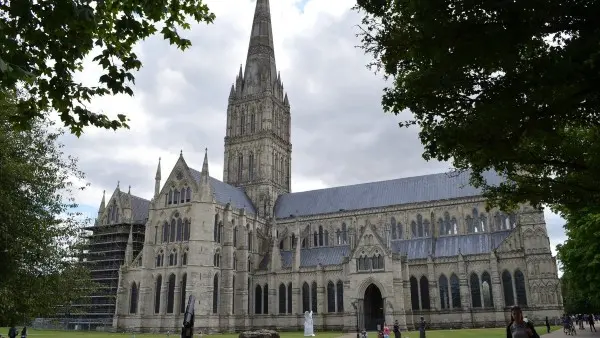 Salisbury
 Colyton
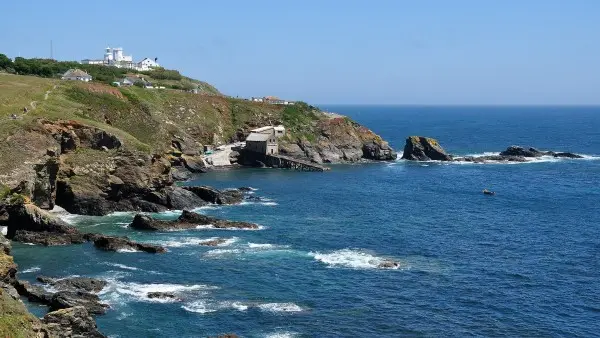 Lizard
 Sidmouth
 Bath
Bath
 Warminster
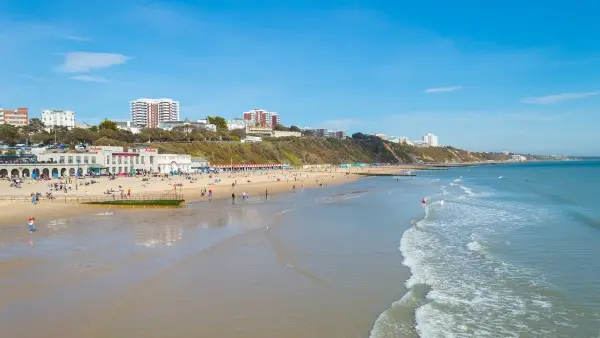 Bournemouth