
Stonehenge
Explore
Explore Lyme Regis Fossil Beach on Dorset’s Jurassic Coast. Hunt for fossils, visit the Lyme Regis Museum, and discover nearby Golden Cap and Charmouth.
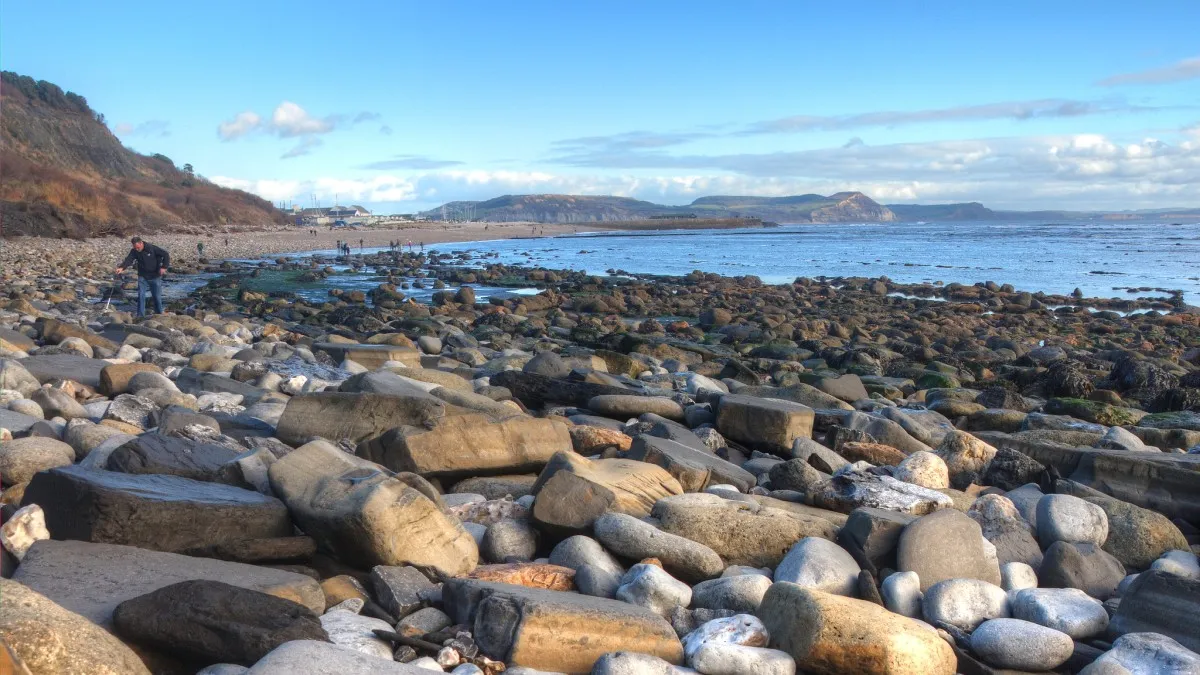
Lyme Regis Fossil Beach, nestled along Dorset’s Jurassic Coast, is a world-renowned destination for fossil hunters and nature lovers. Part of a UNESCO World Heritage Site, this stretch of coastline, particularly the beaches of Church Cliff and Black Ven, is famed for its rich deposits of Jurassic fossils, including ammonites, belemnites, and even dinosaur remains. The dramatic cliffs, shaped by millions of years of geological activity, offer a window into Earth’s ancient past, making it a must-visit for anyone fascinated by prehistory.
The town of Lyme Regis, with its charming harbor and historic Cobb, complements the beach’s appeal. Visitors can explore the shore at low tide, guided by local experts or independently, to uncover fossils embedded in the rocks. The Lyme Regis Museum offers insights into the town’s fossil-hunting legacy, spotlighting Mary Anning, a pioneering 19th-century paleontologist who discovered the first ichthyosaur here. Family-friendly activities, like fossil walks and festivals, make the beach accessible to all ages.
Nearby attractions include the Golden Cap, the highest point on the South Coast, offering stunning coastal walks, and Charmouth, another fossil-rich beach just a short drive away. The historic town of Bridport and the scenic West Bay, featured in Broadchurch, are also nearby. Lyme Regis Fossil Beach combines natural beauty, scientific significance, and coastal charm, making it an unforgettable stop on the Jurassic Coast.
Search for Jurassic treasures like ammonites and belemnites along Church Cliff and Black Ven. Guided or solo, fossil hunting at low tide offers a thrilling connection to 190 million years of history.
This museum celebrates the town’s fossil-hunting legacy, with exhibits on Mary Anning and Jurassic discoveries. Interactive displays and artifacts make it a must for geology enthusiasts.
The iconic stone harbor wall, featured in The French Lieutenant’s Woman, offers stunning sea views and a historic setting. Stroll its length for a quintessential Lyme Regis experience.
The beach’s dramatic cliffs and coastal paths provide breathtaking vistas of the UNESCO World Heritage Jurassic Coast, perfect for photography and soaking in the area’s natural beauty.
Discover the story of Mary Anning, whose fossil finds revolutionized paleontology. Statues, plaques, and museum exhibits honor her contributions, inspiring visitors of all ages.
Join expert-led fossil walks to learn safe collecting techniques and identify prehistoric finds. These engaging tours, offered by the museum, cater to beginners and seasoned hunters alike.
Why not make a weekend of it? Explore Nearby Attractions. Scroll to zoom in or out on map.
Curious about Lyme Regis Fossil Beach? We've compiled answers to the most frequently asked questions to help you uncover the highlights and visitor essentials.
Lyme Regis Fossil Beach is famous for its Jurassic fossils, including ammonites and dinosaur remains, along Dorset’s UNESCO World Heritage Jurassic Coast.
The beach’s fossil-rich cliffs formed 190 million years ago during the Jurassic period. In the 19th century, Mary Anning, a local paleontologist, made groundbreaking discoveries here, including the first ichthyosaur in 1811, cementing the area’s scientific significance.
The beach is free to access. Guided fossil walks cost around £12-£15 per person, and Lyme Regis Museum entry is £5.95 for adults, free for under-18s. Check www.lymeregismuseum.co.uk for details.
Dogs are welcome on the beach year-round but must be on leads in busy areas. Restrictions may apply near the Cobb during summer; check local signs.
Yes, guided fossil walks are offered by the Lyme Regis Museum and local experts, typically lasting 2-3 hours. Booking is recommended via www.lymeregisfossils.com.
Low tide is ideal for fossil hunting, typically twice daily. The beach is accessible year-round, but spring and autumn offer quieter visits. Check tide times at www.lymeregis.org.
The town offers parking, toilets, cafés, and shops. The Lyme Regis Museum provides fossil-hunting guides and equipment rentals for visitors.
Yes, fossils found on the beach can be kept, but significant finds should be reported to the Lyme Regis Museum. Collecting from cliffs is discouraged for safety.
Make your trip unforgettable by exploring these nearby attractions during your visit.
 Salisbury
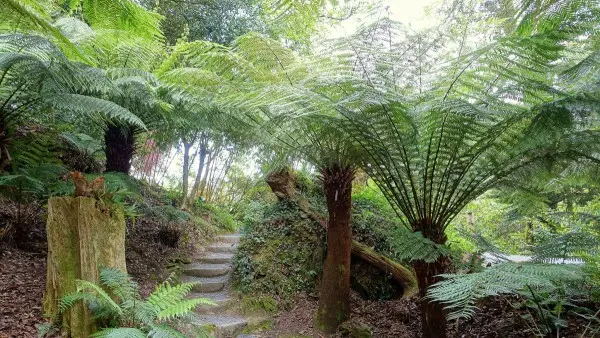 Falmouth
 Ilchester
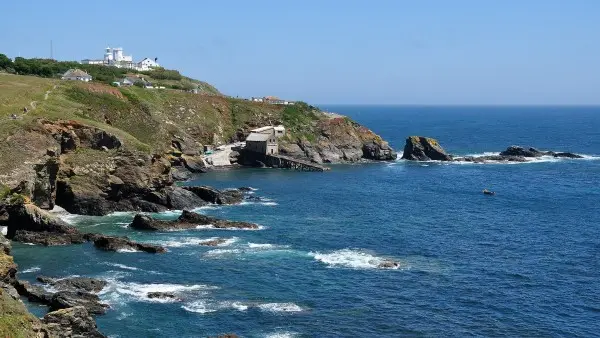 Lizard
 Bristol
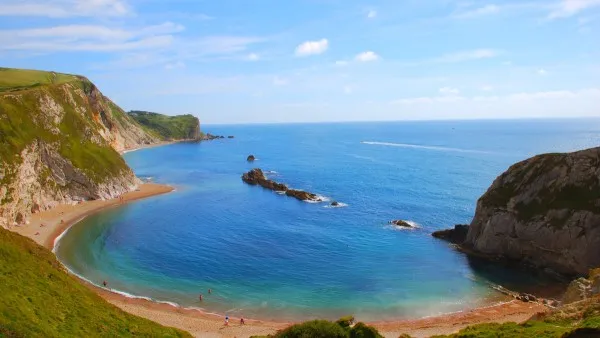 Wareham
 Par
Par
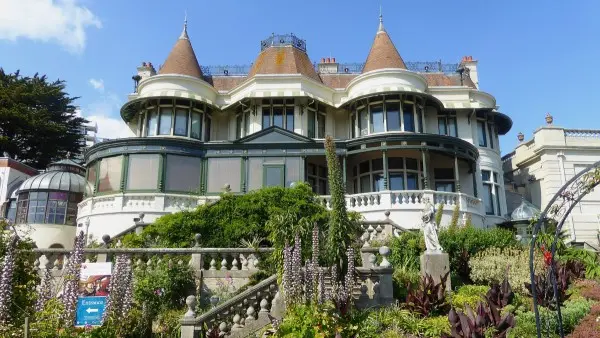 Bournemouth
 Burford
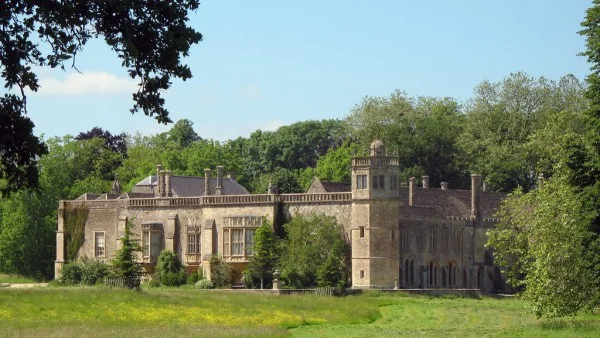 Chippenham
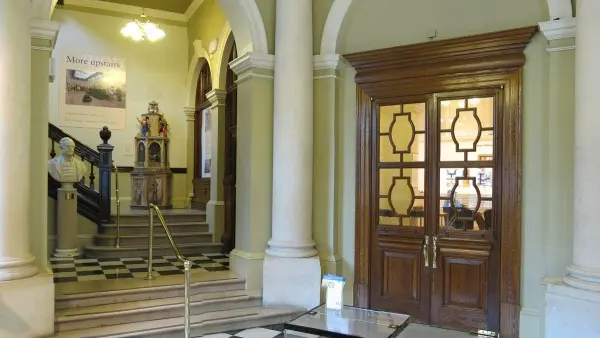 Bath
Bath
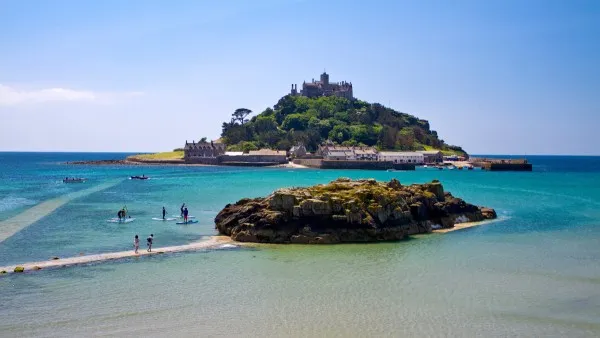 Penzance