
Paradise Wildlife Park
Explore
Discover the Museum of East Anglian Life in Stowmarket, now the Food Museum, with historic buildings and farm exhibits. Visit nearby Framlingham Castle.
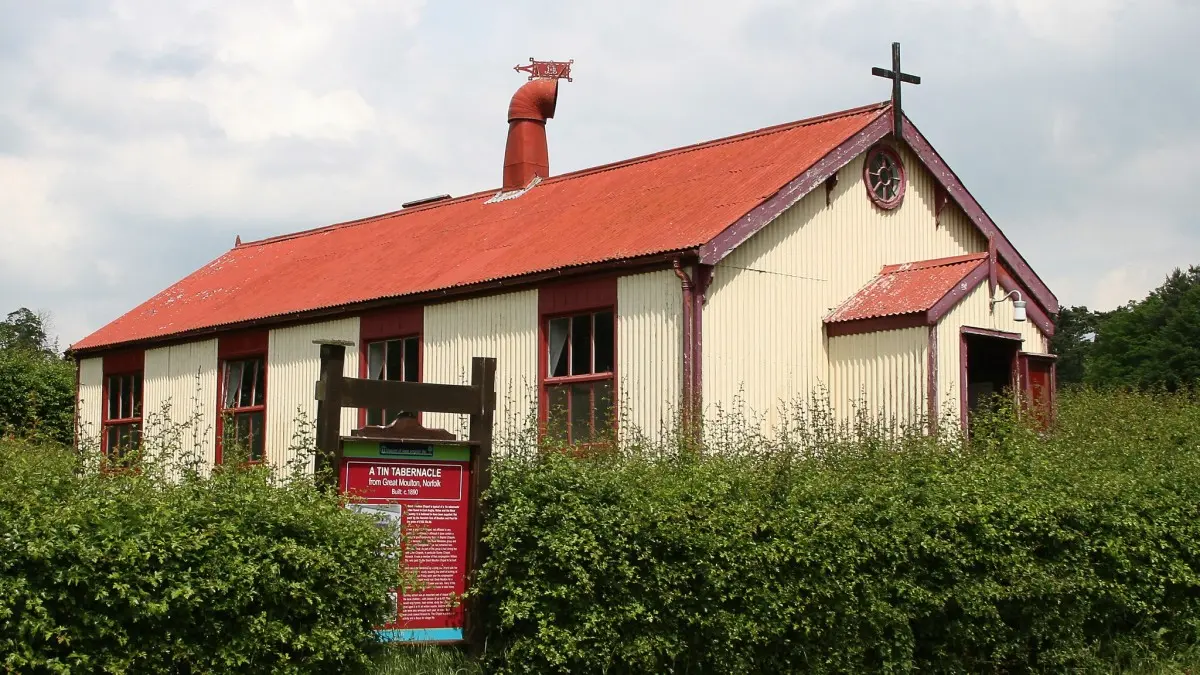
The Museum of East Anglian Life, now known as the Food Museum, in Stowmarket, Suffolk, is a sprawling 84-acre open-air museum celebrating the region’s rural heritage. Opened in 1967, it showcases over 40,000 objects, 17 historic buildings, and living history demonstrations that highlight East Anglia’s agricultural and food production legacy. Known as Britain’s “Breadbasket,” the region’s story unfolds through exhibits like steam engines, vintage tractors, and recreated 1950s homes, offering an immersive experience for families and history enthusiasts.
The museum’s rebranding to the Food Museum reflects its focus on food’s past, present, and future, with interactive displays like the “40 Farms” photographic exhibition and school dinner recreations. Visitors can explore a medieval barn, a working watermill, and farm animals, including Suffolk Punch horses. The expansive grounds feature woodland trails, a walled garden, and a river walk, though some note the need for better signage. Family activities, workshops, and festivals, like the East Anglian Storytelling Festival, ensure year-round engagement.
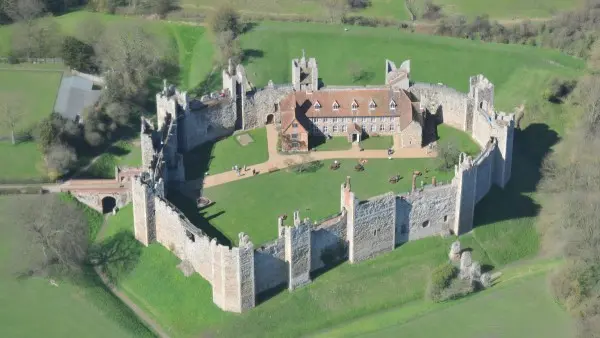
Nearby attractions include Framlingham Castle, a Norman fortress 15 miles away, and the medieval town of Lavenham, known for its timber-framed houses, a 25-minute drive. The coastal charm of Aldeburgh is reachable within an hour. The Museum of East Anglian Life’s blend of history, hands-on experiences, and proximity to Suffolk’s treasures makes it a captivating destination for exploring Britain’s rural roots.
Seventeen historic structures, including a 13th-century barn and Crowe Street Cottages, recreate East Anglian life, offering a tangible connection to the region’s rural past.
Vintage steam engines, tractors, and a working watermill showcase East Anglia’s farming heritage, captivating visitors with the ingenuity of historic machinery.
This Queen Anne house explores themes of home and belonging, with exhibitions on local history and the works of folklorist George Ewart Evans.
The vibrant walled garden grows heritage vegetables and fruits, reflecting East Anglia’s agricultural roots and offering a serene spot for visitors to unwind.
Meet Suffolk Punch horses, rare-breed sheep, and cattle, with daily feedings providing interactive moments that delight families and animal lovers.
Nearly 3km of woodland and riverside trails wind through the 84-acre estate, offering peaceful walks and a chance to explore Suffolk’s natural beauty.
Why not make a weekend of it? Explore Nearby Attractions. Scroll to zoom in or out on map.
Curious about Museum of East Anglian Life? We've compiled answers to the most frequently asked questions to help you uncover the highlights and visitor essentials.
Now called the Food Museum, it’s renowned for its 84-acre site with 17 historic buildings, over 40,000 objects, and exhibits on East Anglia’s agricultural and food heritage.
Founded in 1967 by farmer Jack Carter and the Suffolk Local History Council, it began with a medieval barn donated by the Longe family. It grew to include Abbot’s Hall and 75 acres, opening as a permanent museum to preserve rural East Anglian life.
Guided tours of Crowe Street Cottages run at 11:00 AM and 2:30 PM, included in admission. Book group tours via www.foodmuseum.org.uk.
Open Tuesday-Sunday, 10:00 AM to 5:00 PM (April-October), with reduced winter hours. Closed Mondays except bank holidays. Confirm at www.foodmuseum.org.uk.
Facilities include the Feast Café, gift shop, toilets, baby-changing, and parking at Iliffe Way (IP14 1DE). Picnic areas are available but picnics aren’t allowed inside.
Yes, family trails, animal feedings, and workshops engage kids, though some note limited interactive elements for young children.
Make your trip unforgettable by exploring these nearby attractions during your visit.
 Broxbourne
 Dunstable
 Framlingham
 Norwich
 Lowestoft
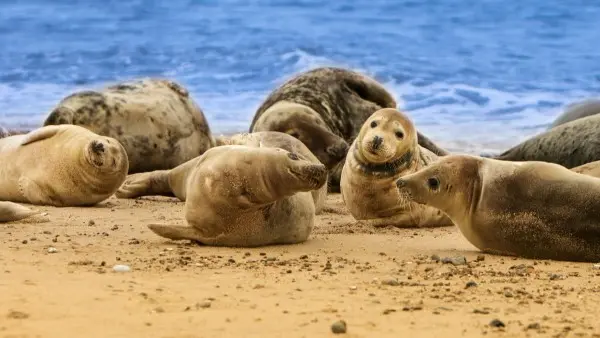 Great Yarmouth
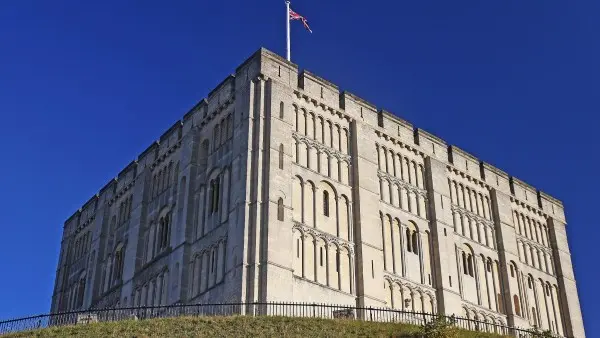 Norwich
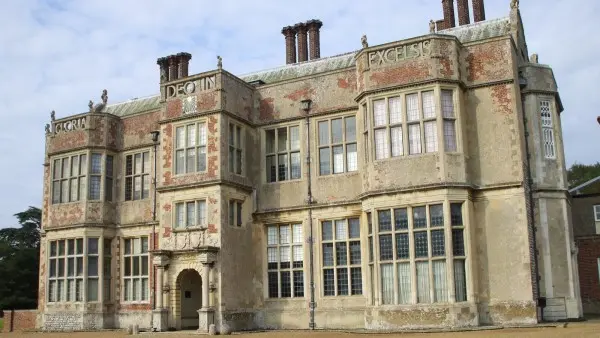 Norwich
 London Colney
 Lowestoft
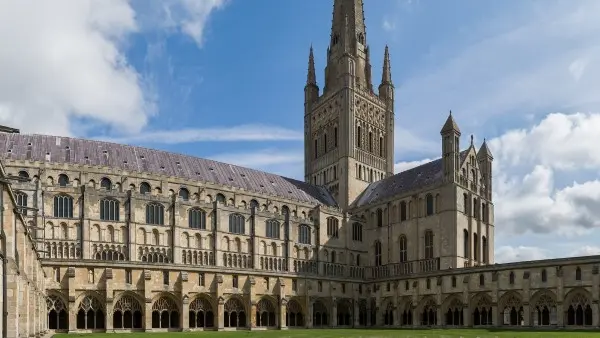 Norwich
 Great Yarmouth