
Natural History Museum at Tring
Explore
Discover The Polar Museum in Cambridge, with Scott and Shackleton artifacts and polar history. Visit nearby Fitzwilliam Museum and King’s College Chapel.
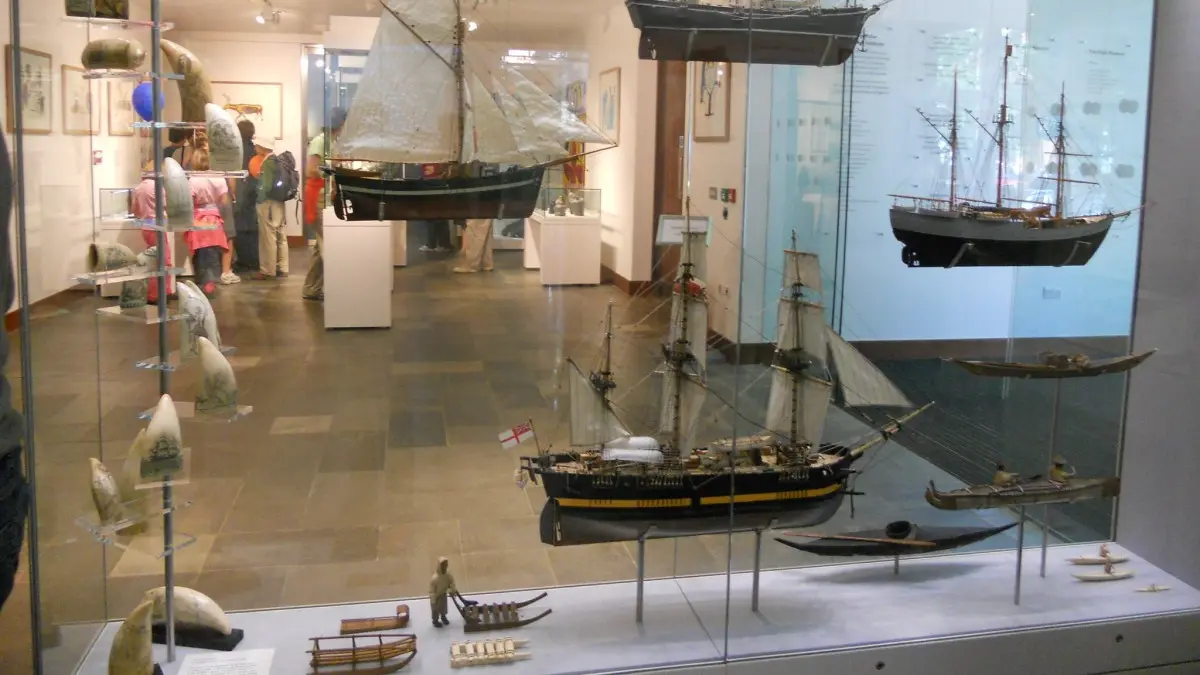
The Polar Museum, housed within the Scott Polar Research Institute in Cambridge, offers a fascinating glimpse into the Arctic and Antarctic’s exploration history. Founded in 1920 as a memorial to Captain Robert Falcon Scott, the museum showcases artifacts, letters, and photographs from heroic expeditions, including Scott’s ill-fated 1912 Terra Nova journey and Ernest Shackleton’s Endurance saga. Free to enter, its compact yet rich displays captivate visitors with tales of polar resilience and scientific discovery.
The museum’s collection includes poignant relics like Scott’s last letters, a sextant used by Shackleton’s navigator, and Inuit-crafted tools, alongside interactive maps tracking Antarctic ice changes. Audio guides, available for a small fee, enhance the experience for adults and children, while family-friendly trails like the Pack-a-Polar suitcase engage younger visitors. The museum’s well-lit galleries and accessible layout make it welcoming, with temporary exhibitions, such as 2025’s artist-in-residence showcase, adding fresh perspectives. Researchers can access the institute’s world-class polar library by appointment.
Nearby attractions include the Fitzwilliam Museum, with its world-class art, just a two-minute walk away. King’s College Chapel’s Gothic splendour and the Cambridge Botanic Garden are within 10 minutes, perfect for a cultural day out. The Polar Museum’s blend of history, science, and accessibility makes it an essential stop for exploring Cambridge’s academic and adventurous spirit.
This display features relics from the “Heroic Age” of Antarctic exploration, including Scott’s last letters and Shackleton’s sextant, offering a gripping narrative of polar bravery.
The collection of Inuit tools, clothing, and kayaks showcases Arctic indigenous craftsmanship, highlighting cultural resilience in extreme environments.
Artifacts from Ernest Shackleton’s Endurance expedition, including navigational instruments, vividly recount the explorer’s legendary survival against all odds.
An adjustable map tracks Antarctic ice changes over time, engaging visitors with interactive science and the impact of climate change on polar regions.
Why not make a weekend of it? Explore Nearby Attractions. Scroll to zoom in or out on map.
Curious about The Polar Museum? We've compiled answers to the most frequently asked questions to help you uncover the highlights and visitor essentials.
The Polar Museum is renowned for its artifacts from Arctic and Antarctic expeditions, including Scott’s last letters and Shackleton’s navigational tools, housed in the Scott Polar Research Institute.
Founded in 1920 by Frank Debenham as a memorial to Captain Robert Falcon Scott and his companions, who died in 1912 returning from the South Pole, the museum opened to the public in 2010 after renovations, showcasing polar exploration history.
Entry is free, though donations are encouraged. Audio guides cost a small fee, around £3-£5. Check www.spri.cam.ac.uk for details.
Yes, fully accessible with a ramp, smooth floors, and a loanable wheelchair. Blue Badge parking is available by booking. Call 01223 336540.
Open Tuesday-Saturday, 10:00 AM to 4:00 PM. Closed 18-21 April 2025 for Easter. Confirm at www.spri.cam.ac.uk.
Facilities include a gift shop, toilets, and baby-changing areas. No café, but nearby Cambridge eateries are plentiful. Luggage storage is unavailable.
Make your trip unforgettable by exploring these nearby attractions during your visit.
 Tring
Tring
 Ipswich
 Norwich
 Norwich
 Lowestoft
 Silsoe
 Great Yarmouth
 Norwich
 Kings Lynn
 Woodbridge
 Norwich
 Great Yarmouth