
Brunels SS Great Britain
Explore
Explore Avebury Stone Circle, the world’s largest prehistoric monument in Wiltshire. Walk among ancient stones and visit nearby Stonehenge and Lacock Abbey.
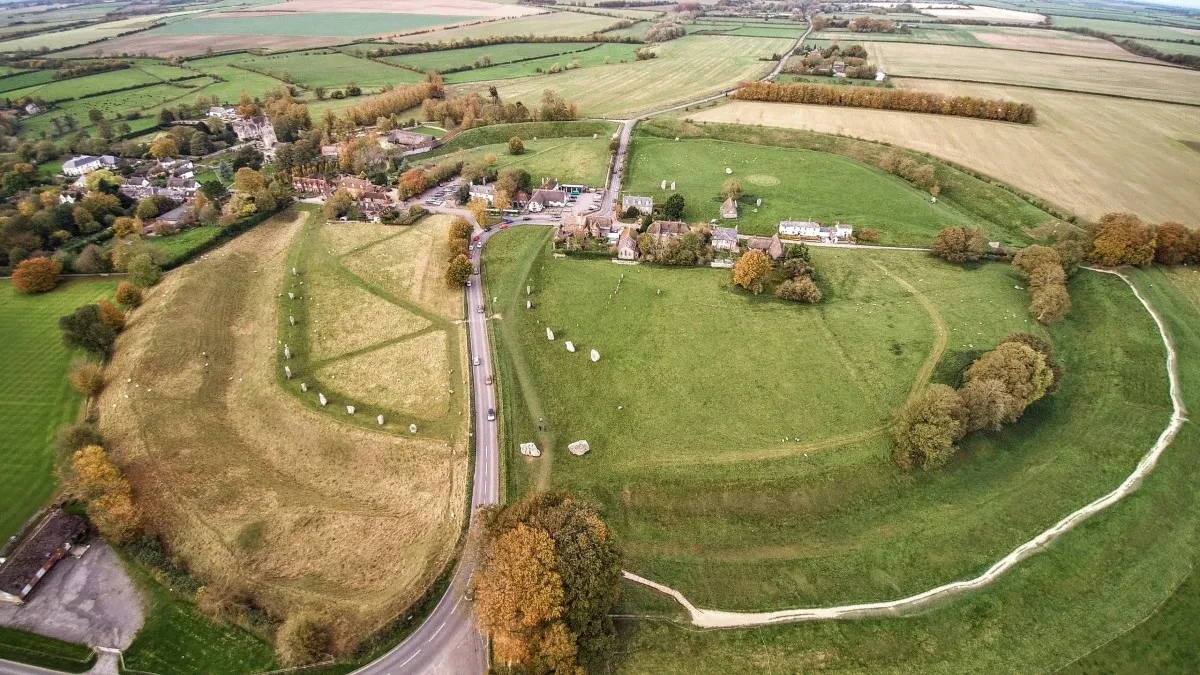
Avebury Stone Circle, located in the heart of Wiltshire, is one of the largest and most awe-inspiring prehistoric monuments in the world. Dating back to around 2600 BCE, this Neolithic henge encompasses a vast outer stone circle, two smaller inner circles, and a surrounding ditch, creating a mystical landscape that draws archaeologists, historians, and spiritual seekers alike. Managed by the National Trust, Avebury offers a unique, hands-on experience where visitors can walk among the towering stones, some weighing over 40 tons, and feel the weight of millennia.
Unlike its more famous neighbor, Stonehenge, Avebury’s stones are accessible, allowing visitors to touch and explore the site freely. The village of Avebury, nestled within the circle, adds charm with its thatched cottages, quaint pubs, and the historic St. James’ Church. The Alexander Keiller Museum, located on-site, provides fascinating insights into the site’s archaeology, displaying artifacts like flint tools and skeletons uncovered during excavations. Seasonal events, such as solstice celebrations, enhance the spiritual atmosphere of this ancient site.
Nearby attractions include Stonehenge, just 20 miles away, offering a contrasting prehistoric experience, and the medieval beauty of Lacock Abbey, known for its Harry Potter filming locations. The West Kennet Long Barrow, a 5,500-year-old burial chamber, and Silbury Hill, Europe’s largest man-made mound, are also within walking distance, making Avebury a perfect base for exploring Wiltshire’s ancient wonders. Whether you’re drawn to history, spirituality, or the serene countryside, Avebury Stone Circle is an unforgettable journey into Britain’s distant past.
The world’s largest stone circle, stretching over 1,000 feet in diameter, is Avebury’s centerpiece. Visitors can wander among the massive sarsen stones, some standing over 13 feet tall, and imagine the Neolithic rituals that once took place here.
Housed in a historic stable and barn, this museum showcases Neolithic artifacts, including tools, pottery, and skeletal remains. Interactive displays detail Avebury’s excavation and the life of its ancient inhabitants, offering a deep dive into prehistory.
This ceremonial avenue of paired standing stones stretches over a mile, connecting Avebury to other sacred sites. Walking its path provides a sense of the landscape’s spiritual significance and offers stunning views of the Wiltshire countryside.
Just a mile from the circle, Silbury Hill is Europe’s largest man-made prehistoric mound, standing 130 feet tall. Its purpose remains a mystery, but its sheer scale and proximity make it a must-see complement to Avebury’s stones.
Nestled within the stone circle, Avebury village feels like a step back in time with its thatched cottages and medieval St. James’ Church. Its cozy pubs and serene atmosphere enhance the site’s timeless charm.
The massive ditch and bank surrounding the stone circle, dug by Neolithic people using basic tools, is an engineering marvel. Walking its perimeter reveals the scale of Avebury’s construction and its integration into the landscape.
Why not make a weekend of it? Explore Nearby Attractions. Scroll to zoom in or out on map.
Curious about Avebury Stone Circle? We've compiled answers to the most frequently asked questions to help you uncover the highlights and visitor essentials.
Avebury Stone Circle is a Neolithic henge monument in Wiltshire, featuring the world’s largest stone circle, two smaller inner circles, and a surrounding ditch, dating to around 2600 BCE.
Constructed around 2600 BCE during the Neolithic period, Avebury was likely used for ceremonial and social purposes. Its stones were erected over centuries, with some later toppled or buried during medieval times due to religious objections. Archaeologist Alexander Keiller helped restore the site in the 1930s.
The stone circle is free to visit, but parking costs £7 per day (£4 after 3:00 PM). Entry to the Alexander Keiller Museum requires a ticket: £7.20 for adults, £3.60 for children, or free for National Trust members.
Yes, unlike Stonehenge, visitors can walk among and touch the stones at Avebury, making it a more interactive experience. Please respect the site and avoid climbing.
Dogs on leads are welcome in the stone circle and surrounding areas, but they are not permitted inside the Alexander Keiller Museum or manor buildings.
The stone circle and village paths are mostly accessible, with flat terrain in many areas, but some uneven ground may pose challenges. The museum has limited accessibility; contact the site for specifics.
The site offers parking, toilets, a café (The Circles Café), and a gift shop. The village has pubs like The Red Lion for dining.
The National Trust offers occasional guided walks, often led by volunteers, focusing on archaeology and history. Check the website or visitor center for schedules.
Make your trip unforgettable by exploring these nearby attractions during your visit.
 Bristol
 Wareham
 Wells
Wells
 Falmouth
 Falmouth
 Bristol
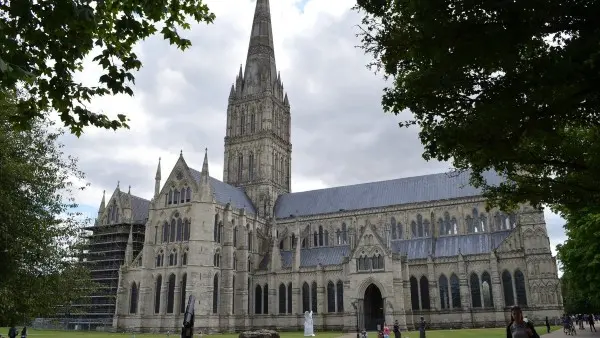 Salisbury
 Burford
 Sidmouth
 Exeter
 Davidstow
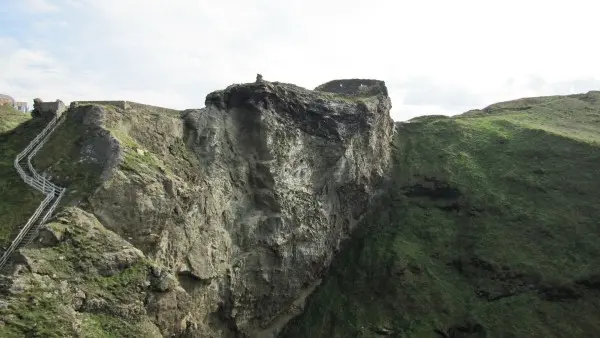 Tintagel